
Someone Filed a Deed on My House. The First 48 Hours, Step by Step
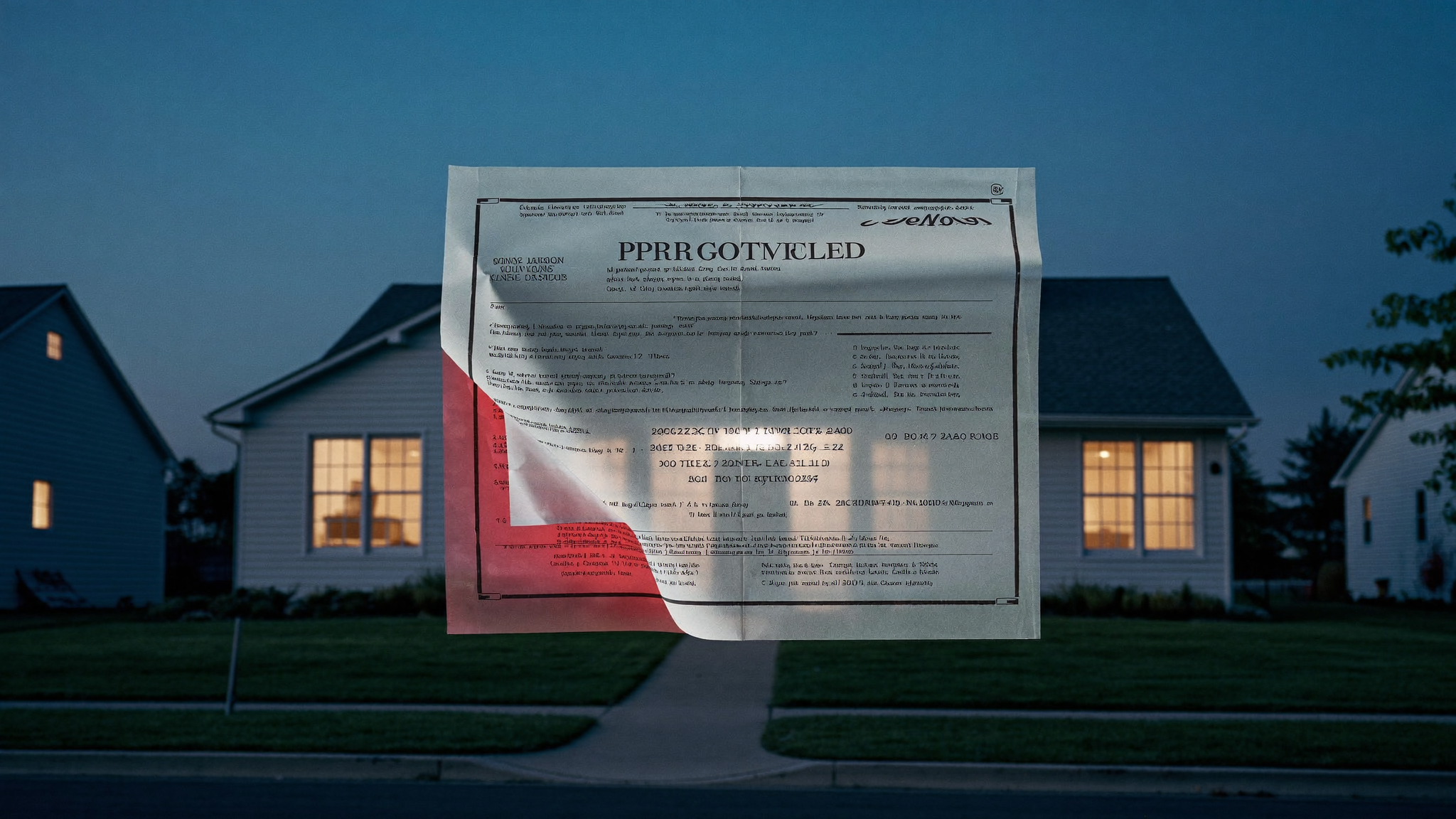
You open a letter from the county, or an alert pings your phone, and there it is: a deed transferring your house to someone you have never heard of. Your stomach drops. Can that be legal? Can they really sell your home?
Here is the short answer. A forged deed does not legally make anyone the owner of your property. But it can do a great deal of damage before a judge says so. The next 48 hours are about two things: building a paper trail, and putting the world on notice before the fake "owner" sells your house or borrows against it.
We've laid this out in the order we would follow ourselves.
Why the clock matters
The FBI's Boston field office describes the pattern plainly. Fraudsters forge documents to record a phony transfer, and then they can sell the home, take out a mortgage on it, or even rent it out, leaving the real owners to fight in court to get their property back.
Two facts make speed critical:
- The recorder will not catch it for you. The California Department of Real Estate notes that county recorders are not responsible for verifying whether a document is valid or authentic. If a document meets the recording requirements and the fees are paid, the recorder is obligated to record it.
- The recorder cannot simply delete it, either. The Orange County, Florida Comptroller says that even a document proven fraudulent cannot be removed from the Official Records without a judge's order.
So the forged deed sits in the public record and looks legitimate to anyone who checks, including a buyer, a hard-money lender or a title company, until you do something about it. Each new sale or loan stacked on top of it brings in another party, another lawyer and more time to unwind.
The scale is growing, too. According to the FBI's Internet Crime Complaint Center (IC3), criminals stole more than $275 million through real estate-related fraud from at least 12,368 victims in 2025, up from 9,359 complaints and more than $173 million in 2024, as reported by Florida Realtors. That IC3 category is broad and includes rental and timeshare scams, but the direction is clear.

Hours 0–4: Confirm what was actually filed
Don't act on a screenshot or a vague alert. Get the document.
- Pull the record. Search your county's official records online by your name and by parcel number. Depending on where you live, the office may be called the recorder, the county clerk or the register of deeds.
- Order a certified copy. The Miami-Dade Clerk and others tell victims to get a certified copy of the recorded deed. Police, attorneys and insurers will all ask for it.
- Read it closely. Note the document type (warranty deed, quitclaim deed, mortgage, lien), the recording date and instrument number, the grantee's name and address, the notary's name and commission number, and whether any document was recorded after it. A second filing, such as a new mortgage, means the scheme is already moving.
- Check the tax records. Look at your county tax collector or assessor's site to see whether the mailing address on your parcel has been changed. That is a common way to keep you from seeing the notices.
Don't contact the person named on the deed. Let the authorities and your lawyer handle that.
Hours 4–12: File a police report
Go to the police or sheriff in the county where the property is located, not where you live, if those are different. Bring the certified copy, your ID and proof of ownership: your original deed, closing statement or recent tax bill.
Get the report number before you leave. Title insurers, banks and county fraud units generally require it, so every later call goes faster with it in hand. Some large counties have dedicated units. In Miami-Dade, for example, the clerk directs deed fraud victims to the sheriff's economic crimes section and tells them to hire an attorney as soon as possible.
Hours 12–24: Notify the recorder in writing and record your own document
Call the recorder's office, then follow up in writing. Recorders can't remove the deed, but in California, for example, they can acknowledge that a dispute exists. Ask specifically what fraud process your county offers. It varies a lot from state to state:
- Texas has a statutory process. Dallas County directs victims to record an Owner's Affidavit Regarding Purported Conveyance, mail it by certified mail to the person claiming ownership, and then petition the district court for a judicial finding. There is no fee for these filings.
- Illinois lets county recorders set up a review process that refers suspected fraudulent documents to the circuit court. If the court finds fraud, the recorder records a notice stating that the document does not affect the chain of title.
- Elsewhere, a fraud affidavit or notice of false filing may be available. Union Bank's guidance tells victims to file a fraud affidavit with the recorder along with a police report. In one Ohio case, a victim's daughter recorded an affidavit stating that the property had been transferred by a fraudulent quitclaim deed.
A fraud affidavit doesn't cancel the forged deed. What it does is put a sworn statement in the chain of title, so any title examiner searching your property sees a red flag before a sale or loan closes.
Hours 12–24, in parallel: Hire a real estate attorney
This is the step that actually gets your title back. Look for a real estate or title litigation attorney licensed in the state where the property is. Expect them to talk about two tools.
Lis pendens: freezing the title in place
A lis pendens ("suit pending") is a public notice in the county records that a lawsuit involving the property has been filed. Any buyer who purchases the home takes it subject to the outcome, which makes your house almost impossible to sell or borrow against in the meantime. In general, a lis pendens can only be filed once a lawsuit involving the real estate has started. That is one more reason not to wait to bring in counsel.
Quiet title: getting a court to void the forgery
A quiet title action is a lawsuit that asks a court to establish title against adverse claims. In forgery cases, the law is on your side. A forged deed, even if recorded, conveys no title. A Philadelphia legal aid training guide explains that when an owner proves her signature was forged, the deed is treated as void from the start, and the court can invalidate the forged deed and any deeds or mortgages that followed.
The judgment is then recorded. That is the court order the recorder needed all along to correct the record.

Hours 24–36: Report it to the FBI, your insurer and your lender
- FBI IC3 (ic3.gov): Deed fraud often involves wire transfers, forged notarizations or out-of-state players. Filing a complaint gets your case into federal data. Also notify your state attorney general's consumer protection office, which Union Bank recommends along with IC3.
- Your title insurer: Find your owner's policy and call the claims line. Be realistic about coverage. A standard owner's policy generally excludes forgery that happens after closing. However, the enhanced Homeowner's Policy of Title Insurance includes certain post-policy forgery protection, and some policies carry the ALTA 49 forgery endorsement. In a June 2026 warning, the FBI urged owners to check whether their policy includes post-policy protection. Don't assume you're covered or that you aren't. File the claim and let them answer in writing.
- Your mortgage servicer: If you have a loan, ask them to flag the account so that no unauthorized payoff or release goes through.
Hours 36–48: Lock down your identity and your property
- Freeze your credit at all three bureaus and pull your reports. Someone who forged your signature on a deed may be using your identity elsewhere.
- Secure the house if it's vacant, a rental or a second home. Change the locks and ask a neighbor to report anyone who shows up for a "showing" or a move-in.
- Build one folder with the certified copy, police report number, IC3 confirmation, every letter you sent, and a call log with names and dates.
- Turn on alerts. Many counties offer free notification programs, and California will require them in every county starting in 2027 under SB 255.
What not to do
- Don't ignore a small filing. A strange lien or quitclaim can come before a sale.
- Don't assume the recorder or police will clear your title. Only a court order or your own legal action does that.
- Don't wait until you get a foreclosure notice or a stranger knocks on your door claiming to own the place.
Speed is the whole game
Every step above gets easier, cheaper and faster the earlier you find out. If you learn about a forged deed from a missing tax bill or a stranger at the door, you've already lost weeks. That is why we built DeedLock, the original AI Title Surveillance®. It watches county records around the clock and alerts you the moment something is filed against your title. Cancelling it requires identity verification, so a scammer can't quietly turn it off.
If you're dealing with a fraudulent filing right now, start with the certified copy and the police report today. If you want to make sure you hear about the next one first, protect your home with DeedLock.
- FBI Boston Warns Quit Claim Deed Fraud is on the Rise
- Real Estate Fraud Losses Hit $275M (Florida Realtors)
- Consumer Alert: Forged and/or Fraudulent Deed Has Been Recorded (California DRE)
- Property Fraud (Orange County Comptroller)
- Deed Fraud (Miami-Dade Clerk of the Court and Comptroller)
- How to Report Deed Fraud: Police, FBI IC3, and Your Title Company (Title Barrier)
- What to Do if Your Property in California Is Flagged for Potential Fraud
- Property Fraud Alert (Dallas County Clerk)
- Fraud Protection (Champaign County Clerk & Recorder)
- Quit Claim Deed Fraud: How It Works and How to Protect Your Property (Union Bank)
- Where Does Your County Recorder Stand on Deed Fraud? (Deeds.com)
- What Is a Lis Pendens? (DomiDocs)
- Quiet Title Training Guide (Philadelphia VIP)
- Title Disputes / Quiet Title Actions (Wallace, Richardson, Sontag & Le, LLP)
- Title Insurance After Closing: The Coverage Gap Explained (Title Barrier)
- A New Option for Protection Against Title Fraud (RELAW, APC)
- FBI Warning: Scammers are impersonating landowners to sell vacant property (KCTV5)
- Recorder's Office prepares for Mandatory Statewide Property Fraud Notification (BenitoLink)
DeedLock — the original AI Title Surveillance® — alerts you the moment something is filed against your property.
Protect my home