
A Dead Man's House Sold for $1: How Deed Thieves Target Estates, and What Heirs Should Do Before the Holidays
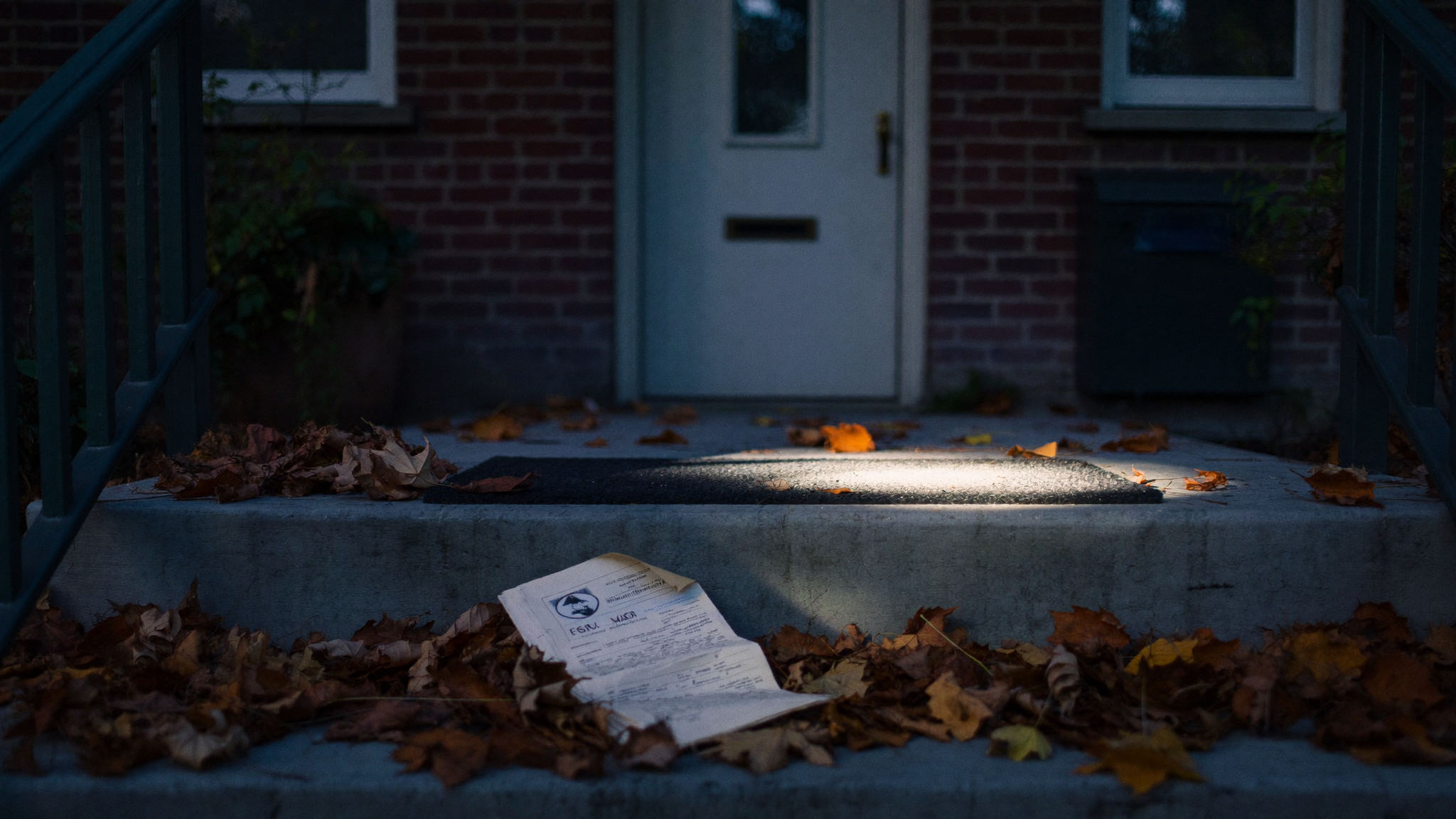
Elaine Garcia expected to inherit her brother Frank's house on North Randolph Street in Philadelphia. His will said it should go to her. After Frank died in 2022, though, his caretaker stayed in the house and told her Frank had given it to him.
Then she saw the paperwork. A new deed had been recorded a few months before Frank died, adding the caretaker and the caretaker's partner to the property. The price on the deed was $1.
"I knew that was not his signature," Garcia told NBC10.
She reported it. A year later the caretaker was arraigned and pleaded guilty to charges that included financial exploitation of an older adult or care-dependent person, and the house went back to Garcia. It ended well, but it took a police report, a prosecution and a lot of time. It also shows the pattern we see in these cases: the paperwork can be forged while an owner is sick, and the family often doesn't find out until after the funeral.
The numbers behind the story
Philadelphia's Department of Records has received 152 deed fraud reports so far in 2026. That's close to the 159 filed in all of 2025, and it puts the city on pace to finish about 15% higher than last year.
It's worth reading those numbers carefully. Records Commissioner James Leonard has said the increase doesn't necessarily mean the crime is growing that fast. The city has made reporting easier, and people can now file from a phone or tablet instead of going to City Hall. District Attorney Larry Krasner sees it differently: "I think deed fraud is going on in a really big way, but there is a small number of cases that are being caught."
For context, an earlier NBC10 investigation found that from 2013 to 2017 the city averaged 72 fraud reports a year.
Why estates are the easiest target
Krasner put it bluntly. According to him, people who commit deed fraud are "getting inside information that a senior who has owned a house for a long time is ill or has passed away," and then they go after the house.
After a death, several weak points open up at once:
- The house is often empty. Deed fraud usually happens when a home sits unoccupied after the last owner dies or moves into a care facility. Homes that are behind on taxes or mortgage payments are also common targets.
- The obituary tells everyone. Estate lawyers warn that scammers read obituaries to find homes left empty by a death, then forge the dead owner's signature on a deed.
- The recording office isn't a gatekeeper. In Pennsylvania, state recording rules generally require the office to accept any deed that meets the technical requirements. NBC10 has reported that Philadelphia's Records Department only checks that the right paperwork was submitted and notarized.
- Notary stamps get faked. The city has said that in deed fraud cases, thieves commonly forge both the signature and the official stamp of a licensed notary.
- Nobody has legal authority yet. Heirs often keep living in a relative's home without ever probating the will or putting the title in their own name. Until probate is done, legal ownership is unsettled, and thieves count on that.
Thieves don't need the house to be abandoned. They need a few weeks when no one is checking the public record.
The dangerous window: from death to probate
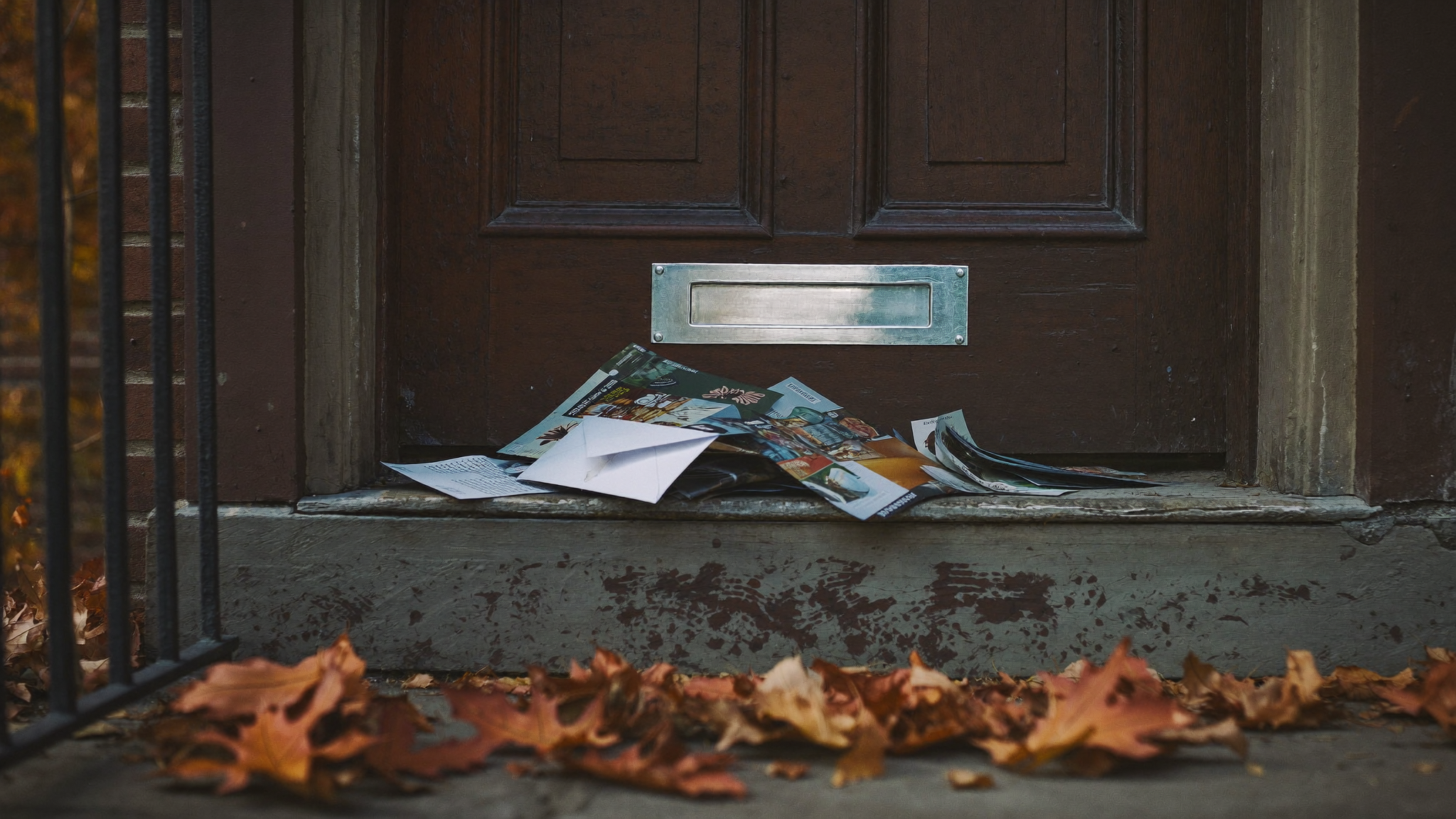
The first weeks after a death are a blur of funeral arrangements, travel, sorting belongings and grief. The house is usually the biggest thing the person owned, and it's also the thing nobody is watching. Mail piles up, the lights stay off, and the obituary has already published the owner's full name.
Use the checklist below during that period. Split up the tasks among siblings if that helps, but put one person in charge of each item.
The heir's checklist: the first 30 days
1. Pull the current deed this week. Look up the property in the county's online records and read every document recorded in the last year or two. Look for any transfer, mortgage or lien you don't recognize. Pay close attention to anything recorded in the owner's last months of life. The Garcia deed was filed while Frank was still alive.
2. Turn on every free alert you can. Philadelphia offers Fraud Guard, a free service that emails you when the Department of Records records a document with your name on it. The email includes a link so you can view the document right away. The department also mails paper notices when a deed or mortgage is recorded on a property, but email is faster. Ask the department how to set up alerts for your late parent's name and for your own. If the property is outside Philadelphia, ask the county recorder whether it has a similar service. These alerts arrive after a document is already recorded, so they help you react quickly but don't stop the filing.
3. Open the estate promptly. Probating the will, or opening an administration if there's no will, puts the court and others on notice of who the rightful heirs are. It also starts the legal process of moving the deed into their names. Without an executor or administrator, nobody has clear authority to act. Some families get stuck for years with a "tangled title," where the person on the deed has died and no one else is legally recorded as the owner. Pennsylvania has ways to fix that through Orphans' Court, but it's much easier to avoid it.
4. Make the house look lived-in. NBC10's advice for owners of vacant homes is to visit regularly and collect the mail. Put lights on timers, keep the yard tidy, and ask a trusted neighbor to call you if they see unfamiliar cars, contractors or "For Sale" signs. If caretakers, aides or contractors had keys, change the locks. Call the homeowner's insurer to report the death and ask how the policy treats an empty house.
5. Keep the obituary short. Leave out the street address and anything that makes it obvious the house is now empty. You can still honor the person without telling strangers where the property is.
6. Secure the paperwork. Gather the original deed, the will, death certificates, ID documents and anything with a Social Security number. Store them in one locked place. A forged deed is easier to make when the forger has real personal details to work from.
7. Get every heir on the same page. Legal aid groups have documented schemes that target the relatives of a deceased owner, including relatives who aren't entitled to inherit, by talking them into signing documents. Tell your siblings and cousins about these scams and agree that nobody signs anything about the house without the executor and an attorney reviewing it first.
8. Know who to call if something turns up. In Philadelphia, call the Department of Records at (215) 686-2290 or email records.info@phila.gov. The city shares deed fraud reports with law enforcement and the District Attorney's office every month. Also call the police and a real estate attorney right away. Undoing a stolen deed usually takes court action, such as a quiet title lawsuit, and the sooner you start, the less damage there is to undo.
Have the conversation at the holiday table
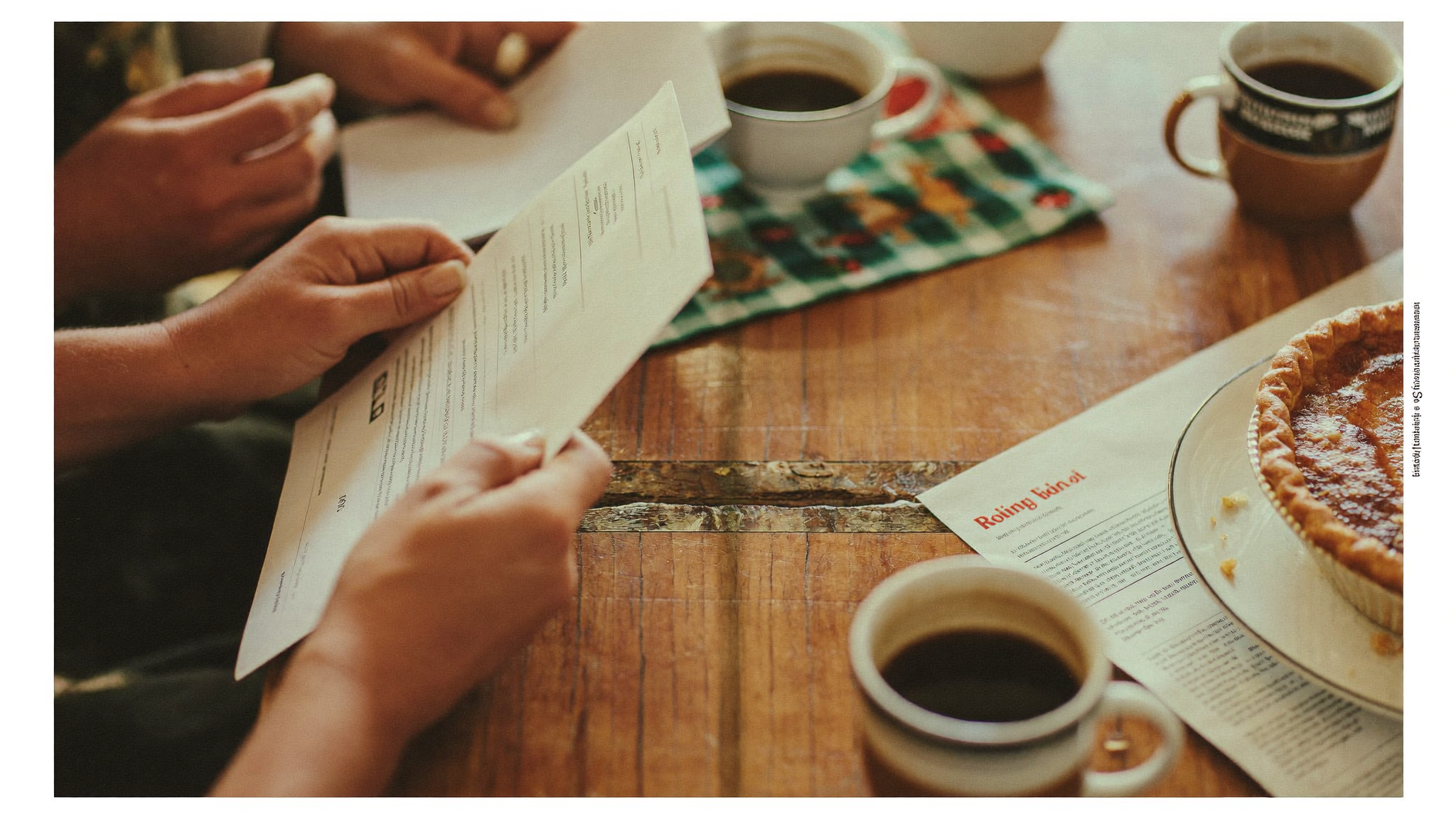
The best time to protect an estate is while the owner is alive and can answer questions. In a few weeks many families will be in the same room for Thanksgiving and the December holidays. Set aside 20 minutes for these questions:
- Where are the will and the deed, and who is the executor?
- Who has keys to the house today? Who has access to mail, checkbooks and ID documents?
- Is there a caretaker, new friend or "helper" who has started talking about the house?
- Is the property signed up for county recording alerts in the owner's name?
- When was the estate plan last reviewed by an attorney?
The Garcia case is a reminder that the risk doesn't start at the funeral. The forged deed was filed while Frank was alive and depended on others for care. Bringing it up now isn't morbid. It protects your parents.
Where we fit in
We built DeedLock, the original AI Title Surveillance®, for the gap described above. It watches county property records around the clock and alerts the owner the moment something is filed against the title, so a forged deed is caught before the house is sold or borrowed against. Cancelling coverage requires identity verification, so a scammer can't quietly turn it off.
Sign up for your county's free alerts too. Use every layer you can get.
If you're an attorney, lender, title company or real estate agent working with families after a death, we'd like to help you protect your clients after closing.
Before you travel for the holidays, check the deed on your parents' home and on any home you're settling. Then visit goldpatrons.com to put DeedLock on watch.
- Philadelphia deed fraud reports surge as homeowners fight to protect property (NBC10 Philadelphia)
- Philadelphia's Deed Fraud Cases Have Surged 15% This Year (Realtor.com via Yahoo)
- Philadelphia has 152 deed fraud reports in 2026, and one family says a home was taken for $1 (The Cool Down)
- Philadelphia Receives 152 Deed Fraud Reports in 2026, Nearly Matching 2025 Total (WMMR)
- Stolen homes, forged deeds (NBC10 Investigators)
- Own property in Philadelphia? Get free deed fraud protection with Fraud Guard! (City of Philadelphia)
- Philadelphia Expands its Free Online Fraud Guard Tool to Notaries (City of Philadelphia)
- G-Town Beat: Protect your homes from deed fraud and tangled titles (Resolve Philly)
- Protecting Your Home from Deed Theft (City Bar Justice Center)
- Stealing Dead Peoples' Properties with Fake Deeds (PropLogix)
- What is deed fraud? (Akin Law)
- How 'Tangled Titles' Affect Philadelphia (Pew Charitable Trusts)
DeedLock — the original AI Title Surveillance® — alerts you the moment something is filed against your property.
Protect my home